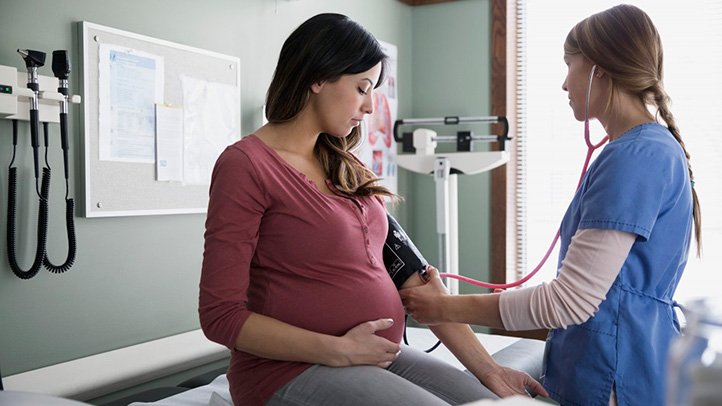
Hypertension, commonly known as high blood pressure, can present unique challenges during pregnancy. When hypertension occurs during pregnancy, it is referred to as gestational hypertension or pregnancy-induced hypertension (PIH). This condition requires careful monitoring and management to ensure the well-being of both the mother and the baby.
Symptoms of Hypertension in Pregnancy
The symptoms of hypertension in pregnancy can vary depending on the severity of the condition. Common symptoms include:
1. High blood pressure: Blood pressure readings consistently above 140/90 mm Hg.
2. Swelling: Particularly in the hands and face.
3. Headaches: Persistent headaches that do not subside with rest or medication.
4. Vision changes: Blurred vision, sensitivity to light, or seeing spots.
5. Upper abdominal pain: Especially on the right side, under the ribs.
Management and Treatment
Managing hypertension during pregnancy involves close monitoring and may include:
1. Regular prenatal care: Attend all scheduled prenatal appointments to monitor blood pressure and assess the health of both the mother and the baby.
2. Medication: In some cases, medication may be prescribed to help lower blood pressure and reduce the risk of complications.
3. Lifestyle changes: Adopting a healthy lifestyle, including eating a balanced diet, staying physically active (as advised by your healthcare provider), and avoiding tobacco and excessive alcohol consumption.
4. Bed rest: In severe cases, bed rest may be recommended to help reduce blood pressure and prevent complications.